Patriotic Education 101: The Character Building Framework for Tomorrow’s Great Thinkers
- Mar 10
- 5 min read
In the current educational landscape, parents are increasingly concerned about the direction of their children’s schooling. There is a palpable sense that the foundational elements of education: those that focus on moral clarity, historical accuracy, and the cultivation of virtue: have been sidelined in favor of shifting social trends and an over-reliance on digital tools. This shift has led to a stagnation in both academic proficiency and character development.
At Cornerstone Preparatory Academy, we believe that education is not merely the transfer of data from a screen to a student; it is the formation of a human being. To develop "Great Thinkers," we must provide a framework that grounds students in the values that built our civilization. This is the essence of Patriotic Education. It is not about blind allegiance, but about understanding the profound principles of liberty, the nuances of our history, and the character traits required to sustain a free society.
The Foundation: What Is Patriotic Education?
Patriotic education is often misunderstood as a simple civics class or a series of holiday assemblies. In reality, it is a comprehensive, integrated curriculum that combines the study of American history, the mechanics of government, and the intentional cultivation of character.
A true patriotic education rests on three primary pillars:
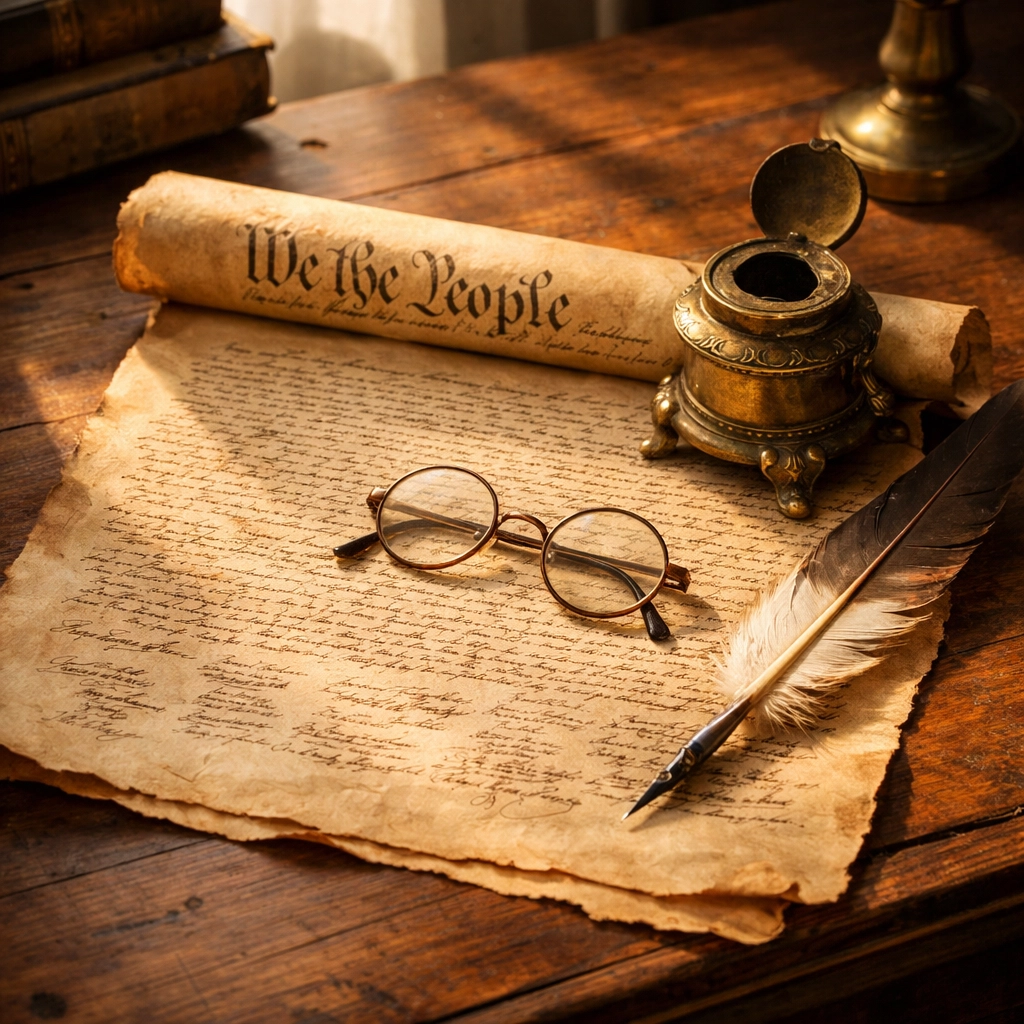
Instruction in Primary Sources: Students should engage directly with the documents that shaped our nation, such as the Declaration of Independence, the U.S. Constitution, and the Mayflower Compact.
Historical Context: Teaching history in a way that is "accurate, honest, and inspiring." This involves acknowledging the complexities and failures of the past while highlighting the progress made through the pursuit of our founding ideals.
Civic Participation: Preparing students for informed participation in a constitutional republic, emphasizing that the rights we enjoy come with a set of corresponding responsibilities.
By focusing on these areas, we move beyond the superficial. We teach students to appreciate the history of their country not as a dry list of dates, but as a living legacy of which they are now a part.
The Character Building Framework: 25 Essential Virtues
The development of a "Great Thinker" is impossible without the presence of virtue. Intellectual brilliance without moral grounding is, at best, ineffective and, at worst, destructive. Our framework for patriotic education is built upon specific character traits that promote both personal excellence and responsible citizenship.
These traits can be categorized into three distinct types of virtues:
Moral Virtues
These virtues involve a student’s respect for themselves, others, and their environment. They include:
Honesty and Fairness: The commitment to truth and equity in all interactions.
Kindness and Compassion: Developing an empathetic heart that seeks the well-being of others.
Self-Respect and Self-Control: Recognizing one's inherent dignity and maintaining mastery over one’s impulses.
Civic Virtues
Civic virtues focus on the student's role within the community and the state. They include:
Patriotism and Citizenship: A healthy love for one's country and a commitment to the duties of a citizen.
Loyalty and Cooperation: Working effectively with others to achieve a common good.
Respect for Authority: Understanding the necessity of law and the roles of those who uphold it.
Intellectual Virtues
These support the pursuit of knowledge and critical thinking, which are essential for any "Great Thinker":
Diligence and Perseverance: The grit to stay with a difficult task until it is mastered.
Creativity and Patience: The ability to look at problems from new angles while understanding that real growth takes time.
Curiosity and Discernment: A desire to learn combined with the ability to distinguish between truth and falsehood.
When these virtues are taught consistently throughout the school day: rather than in isolated lessons: they become a part of the student’s identity. This integrated approach ensures that character is not an "extra" but the very heart of the educational experience.
Why Patriotism Fuels Critical Thinking
There is a common misconception that patriotic education and critical thinking are at odds. In fact, the opposite is true. A student who loves their country is more likely to care about its future, and that care provides the necessary motivation for deep, critical analysis.
To think critically, a student must have a standard against which to measure ideas. By providing a traditional, virtuous framework, we give students that standard. They learn to ask: Does this idea align with the principles of human liberty? Does it reflect the virtues of honesty and justice? How does it compare to the wisdom of the past?
Moreover, by grounding students in the classics and historical documents, we equip them with the "nuance" and "proficiency" required to navigate modern challenges. They are not easily swayed by every new trend because they are anchored in foundational truths. This is how we move from students who merely "know things" to students who can "think through things."
The Role of the Teacher as a Role Model
The implementation of this framework relies heavily on the quality of instruction. As we have explored in our discussion on empowering minds and the role of teachers, educators are not just facilitators; they are mentors and role models.
In a patriotic education setting, the teacher must embody the virtues being taught. When a teacher demonstrates courage, punctuality, and respect for others, the students see the character framework in action. This "hidden curriculum" of role modeling is often more impactful than the textbooks themselves. By creating a culture of excellence and mutual respect, teachers provide the environment where great thinkers can flourish.
Moving Beyond the Digital Crutch
A significant obstacle to developing great thinkers in the modern era is the over-reliance on classroom technology. As we’ve noted previously, modern education’s dependence on technology can actually hinder proficiency in reading and deep thinking.
Patriotic education favors the "analog" tools of deep thought: physical books, primary source documents, Socratic discussion, and handwritten essays. These methods require more effort and patience: virtues in their own right: but they yield a far higher return on investment for the student’s intellectual development. By stepping away from the screen, students are forced to engage their minds more fully, leading to the "intellectual virtues" we mentioned earlier.
Practical Steps for Parents
If you are a parent seeking a virtuous and traditional education for your child, the transition to a patriotic, character-based framework is a journey that starts at home and continues in the classroom. Here are some practical steps you can take:
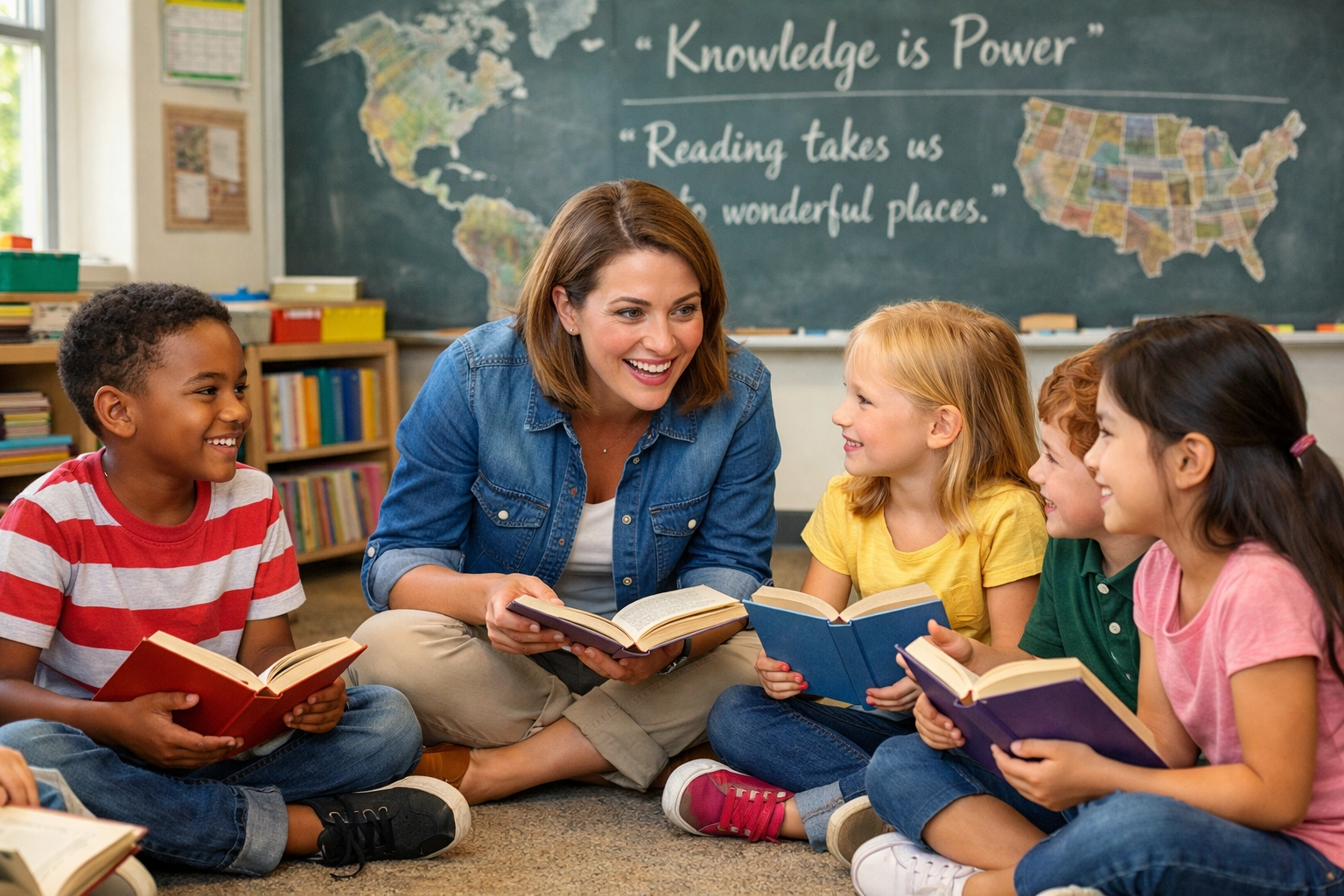
Encourage Reading of the Classics: Provide your children with stories of heroes: both fictional and historical: who embody the virtues of courage, honesty, and perseverance.
Discuss Current Events through a Moral Lens: When discussing what is happening in the world, move beyond "what happened" to "why it matters" and "what virtue was present or missing."
Model Civic Engagement: Let your children see you voting, volunteering, and speaking respectfully about our nation’s history and its future.
Support a Virtuous Curriculum: Choose educational environments that prioritize character and traditional academic rigor over social fads.
By focusing on these areas, you help reinforce the framework that builds not just a student, but a citizen and a thinker.
Conclusion: Investing in the Future
The goal of Cornerstone Preparatory Academy is to graduate students who are not only prepared for college or a career but are prepared for life. By utilizing a patriotic education framework, we are investing in the moral and intellectual infrastructure of the next generation.
We believe that tomorrow’s great thinkers are those who are grounded in the virtues of the past and inspired by the possibilities of the future. This is the path to true excellence.
If you would like to learn more about our approach or discuss how our programs can serve your family, we invite you to schedule a meeting with our Head of School. Together, we can build a foundation that will stand the test of time.